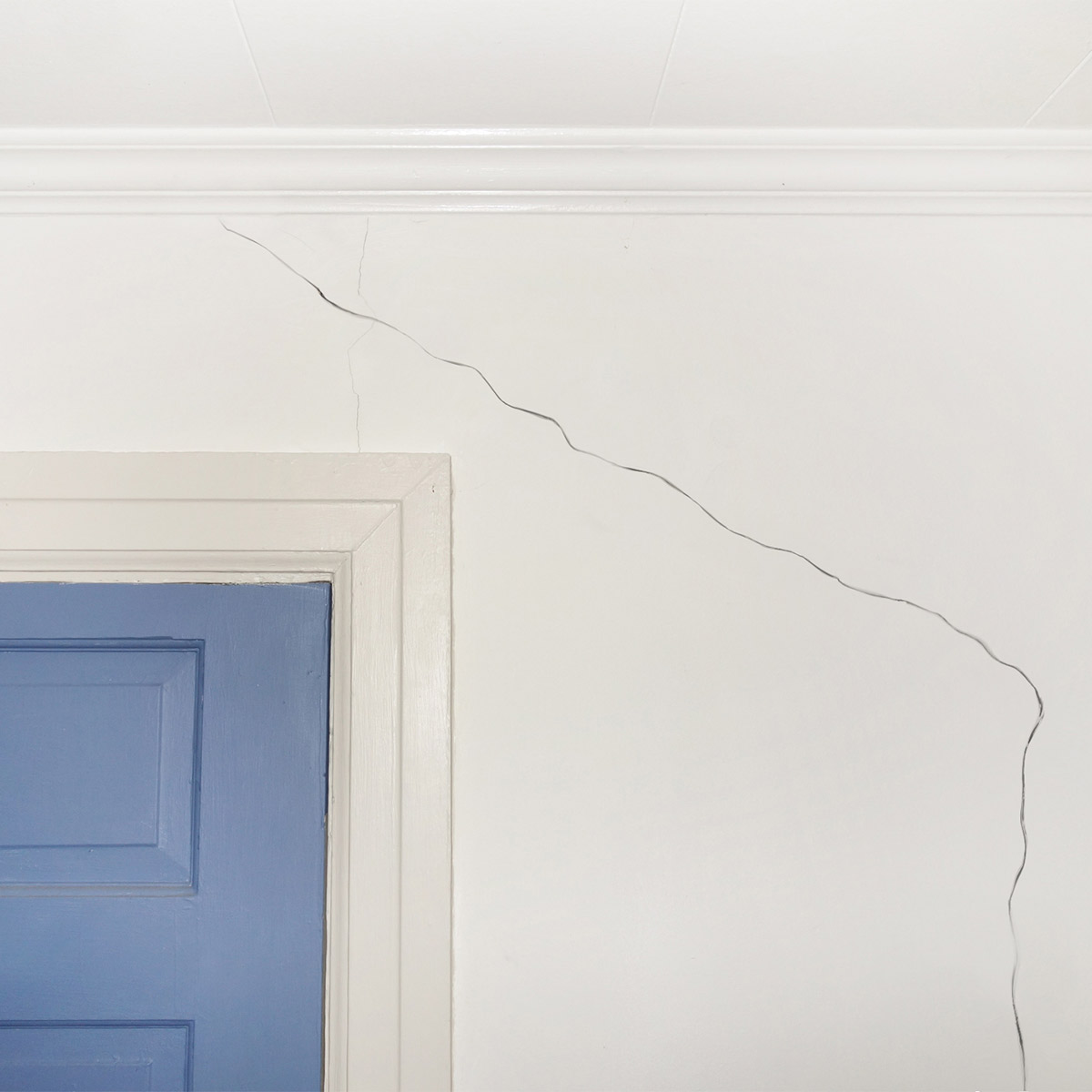
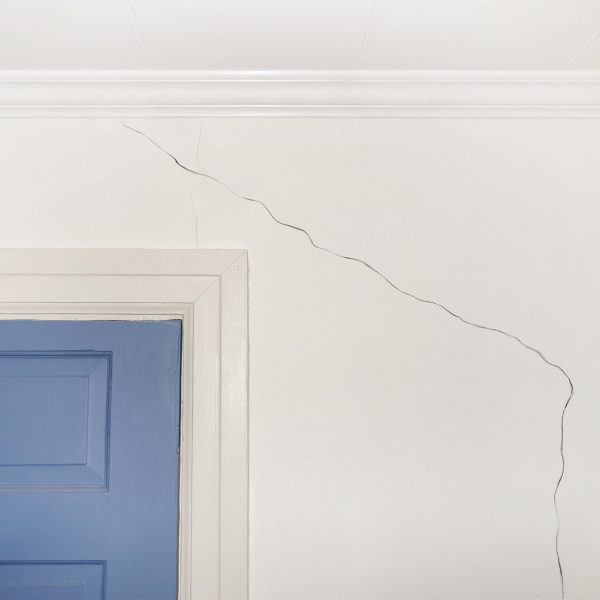
Capillary cracks in infill masonry plasters create a problem in the aesthetic appearance of the plaster and reduce the protective properties of the plaster against moisture and frost.
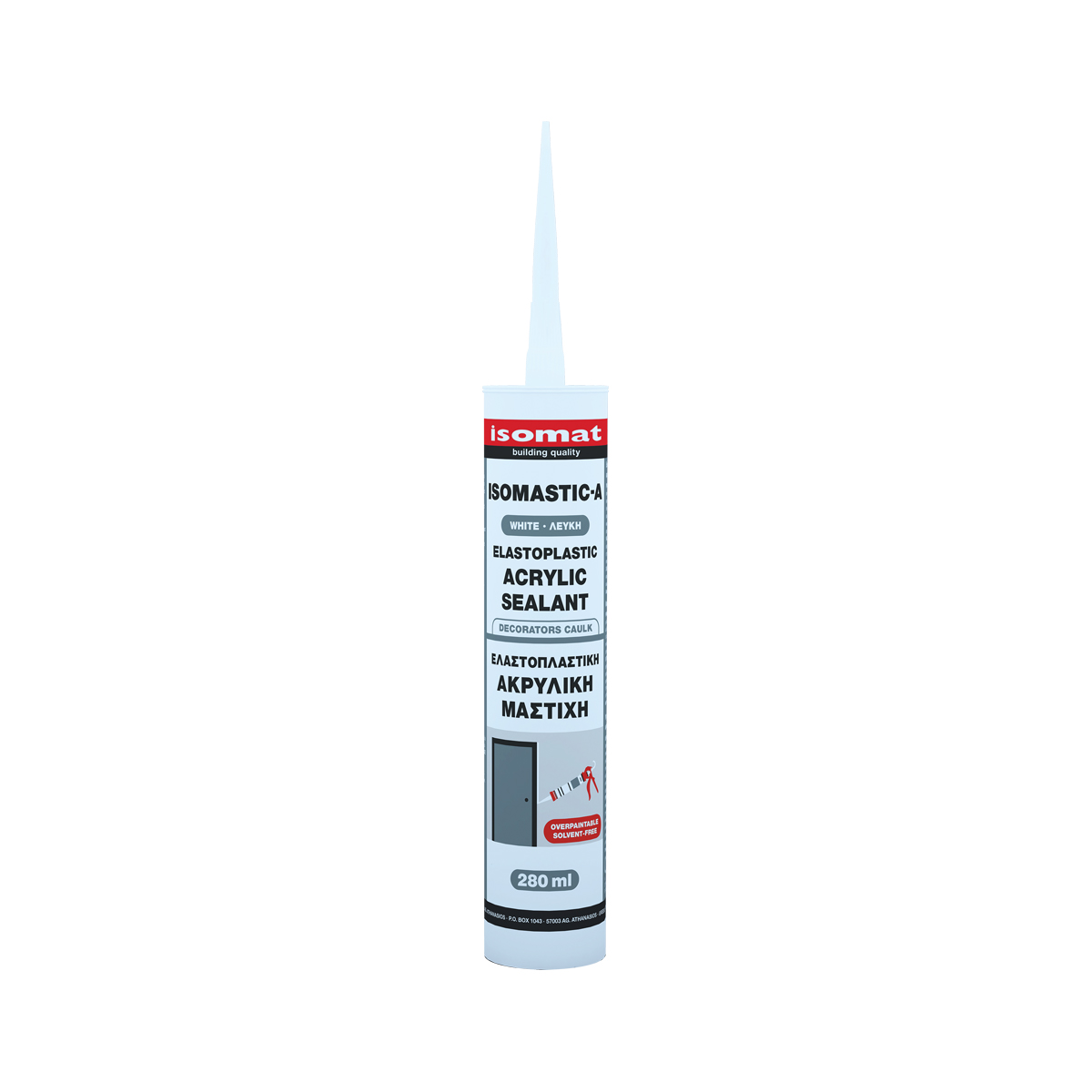
Capillary cracks in infill masonry plasters create a problem in the aesthetic appearance of the plaster and reduce the protective properties of the plaster against moisture and frost. The elastoplastic, acrylic mastic ISOMASTIC-A is suitable for the restoration of capillary cracks in plaster.
Surface preparation
The substrate must be free of dust, friable materials, etc. The capillary crack is widened with a sharp object (e.g. chisel) or with a cutting wheel to a width of at least 3 mm. Then the widened crack is cleaned of dust with a brush or compressed air.
Application process
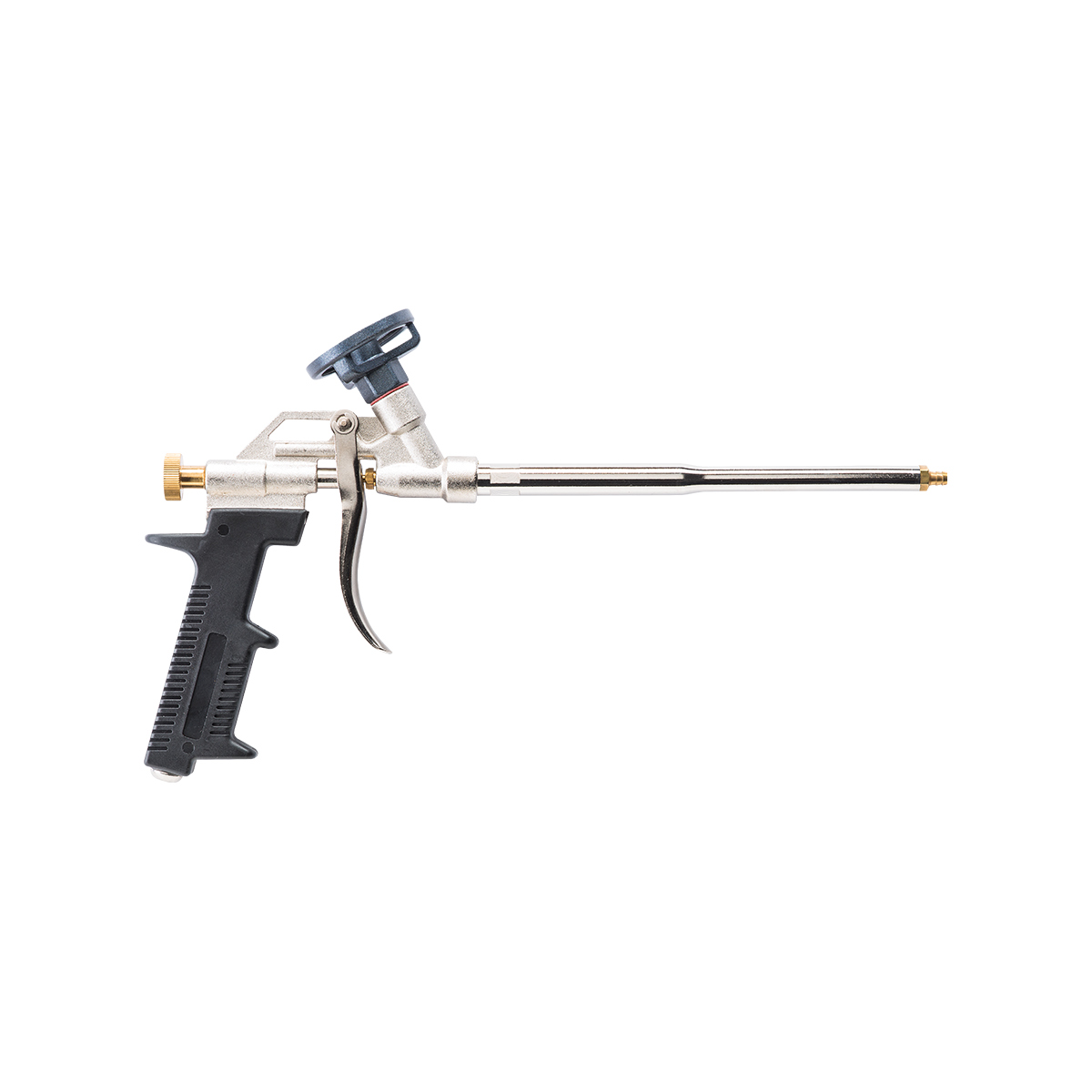
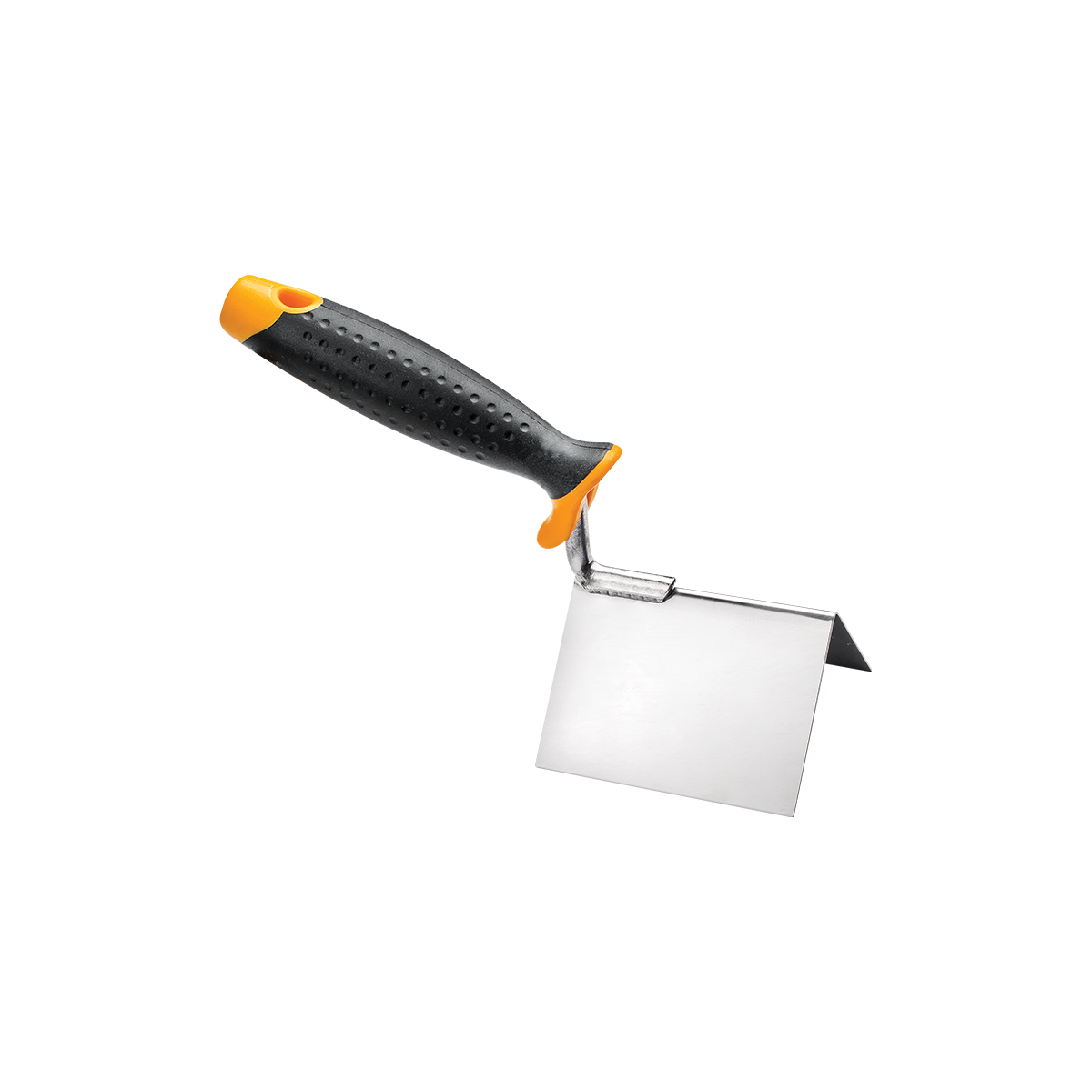
The ISOMASTIC-A cartridge is placed in the special gun and the nozzle is cut diagonally so that it does not penetrate but presses against the sides of the widened crack. Next, the mastic is applied by guiding the cartridge at an angle of 45° to the axis of the crack. While the mastic is still fresh, it is smoothed with the help of a spatula. After drying, the surface can be primed and painted.
Tips
The temperature during application must be at least +15oC.
During the first hours of hardening of the material, the influence of water should be avoided.